Zen Swing Stage – Coaching Tips
Coaching the Full Swing on Slopes
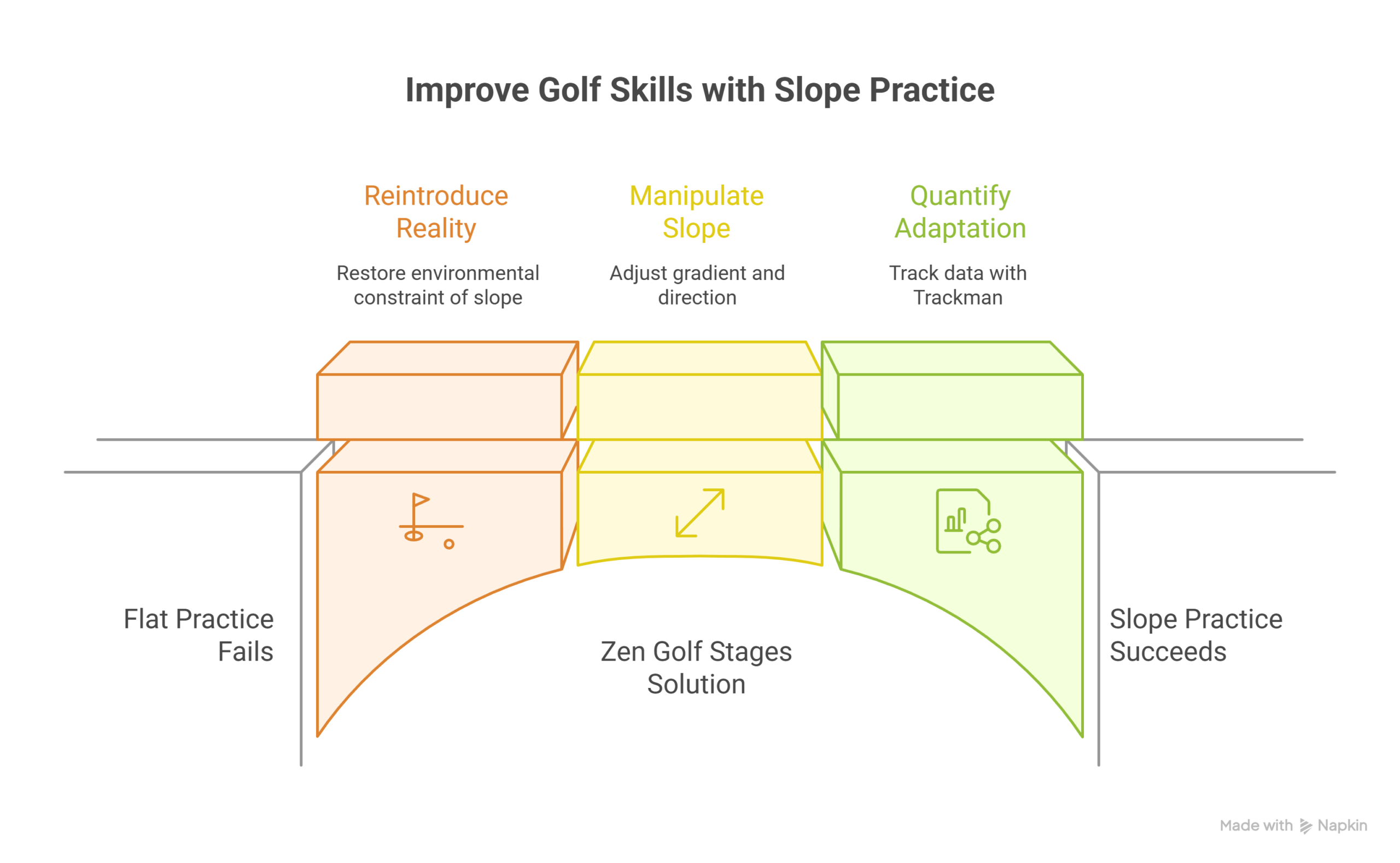
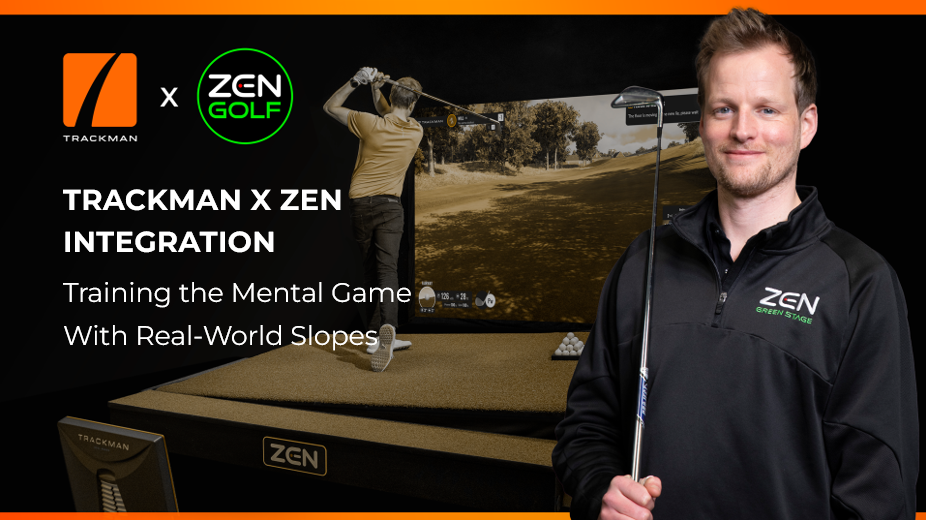
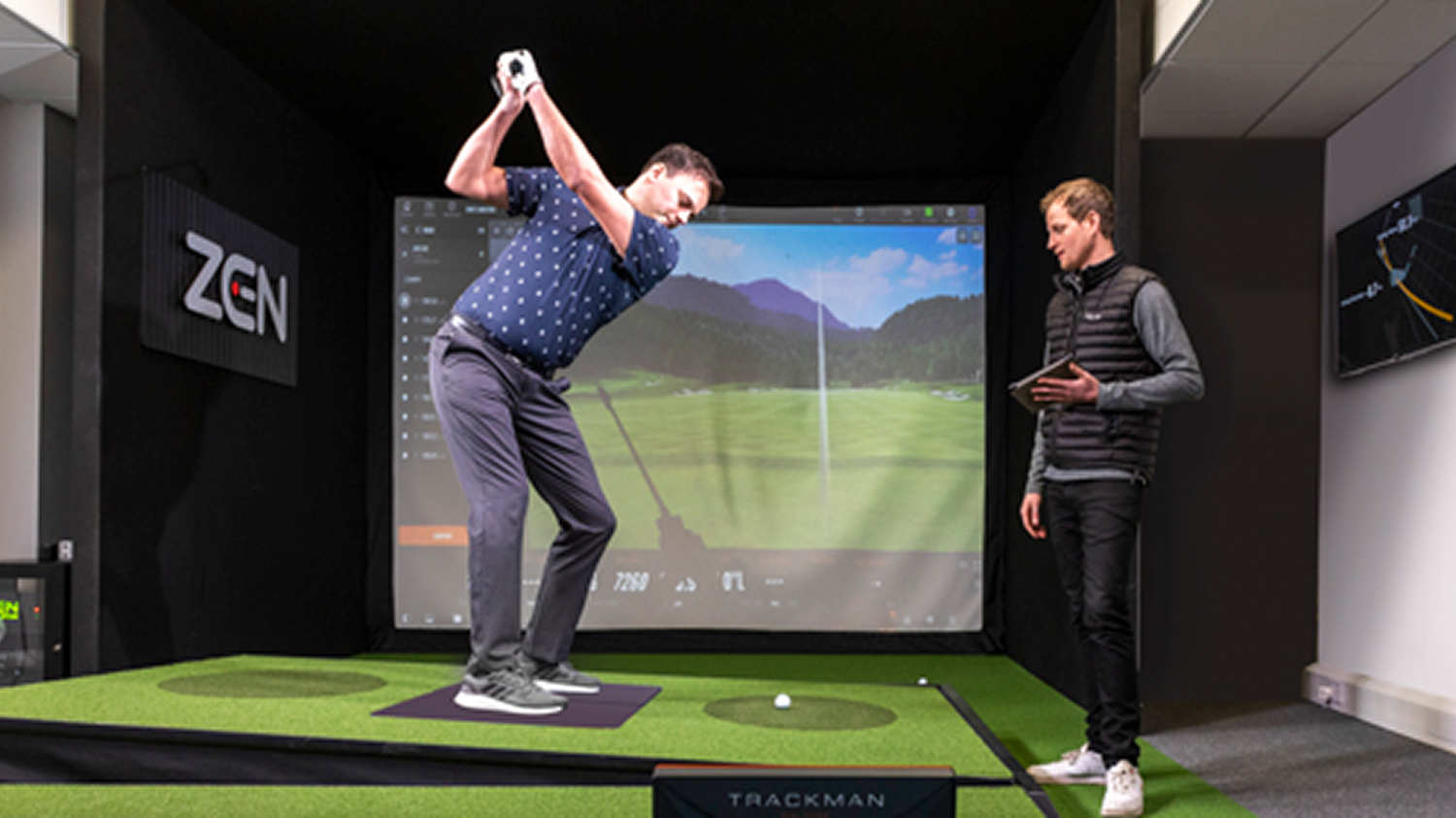
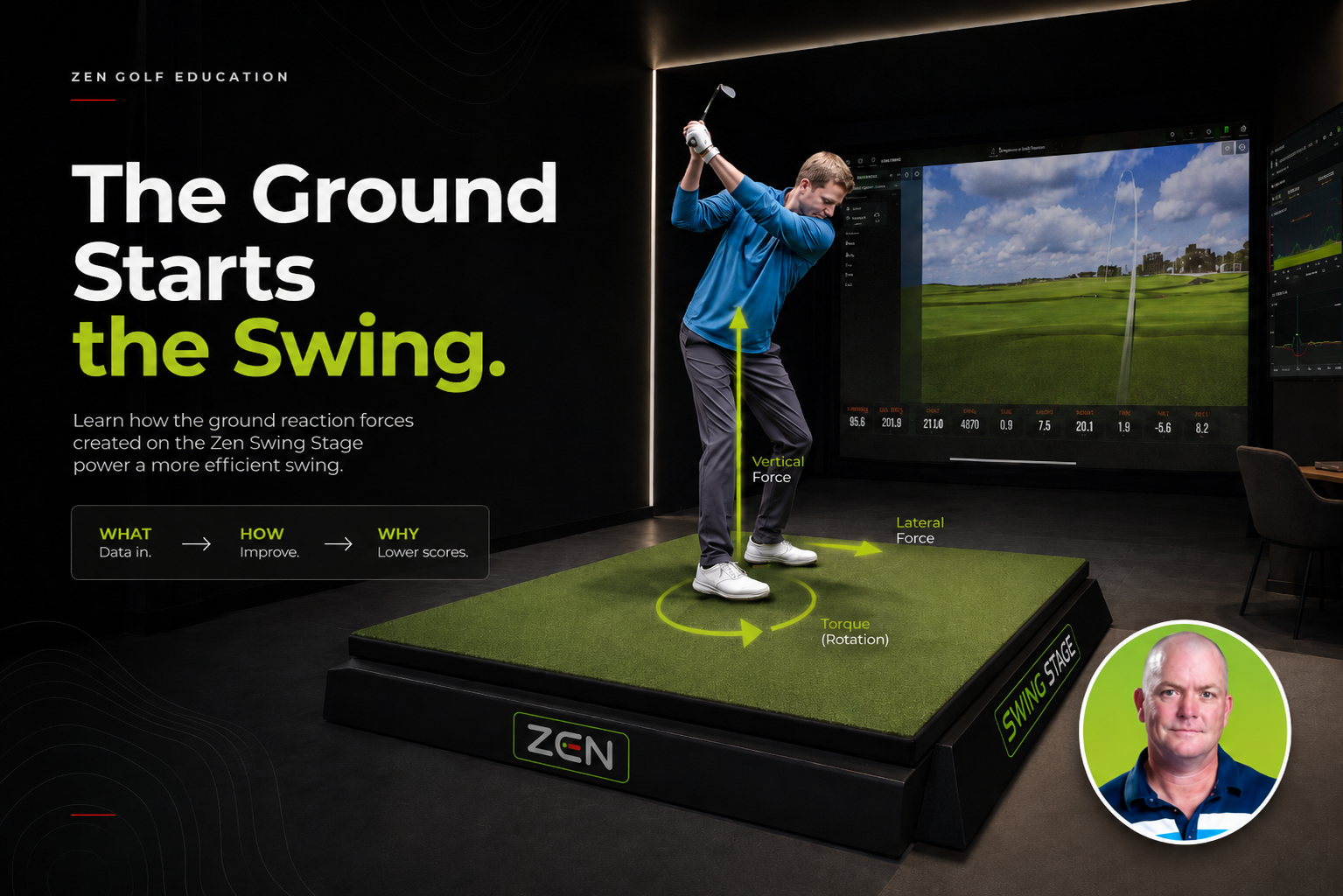
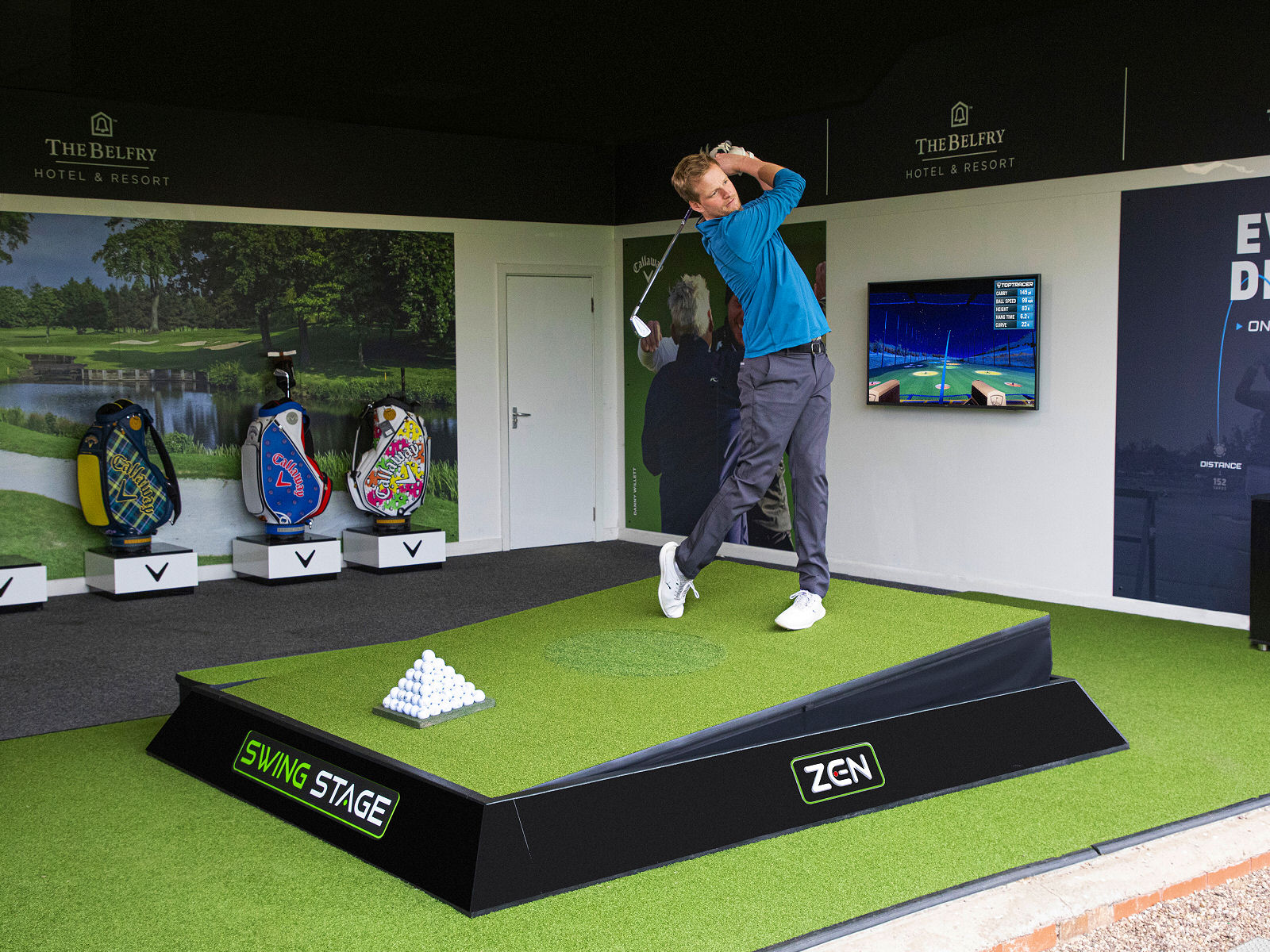
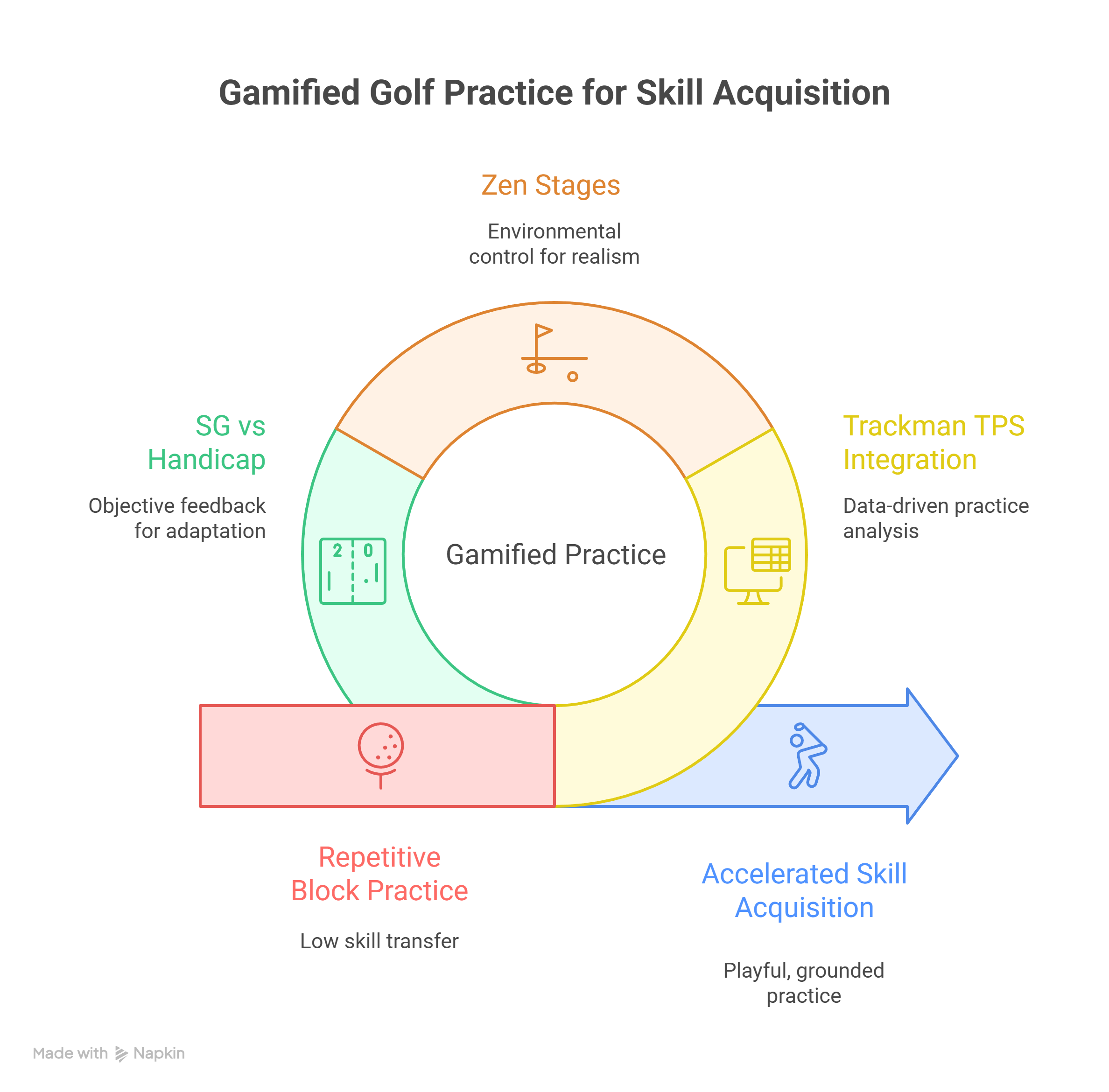
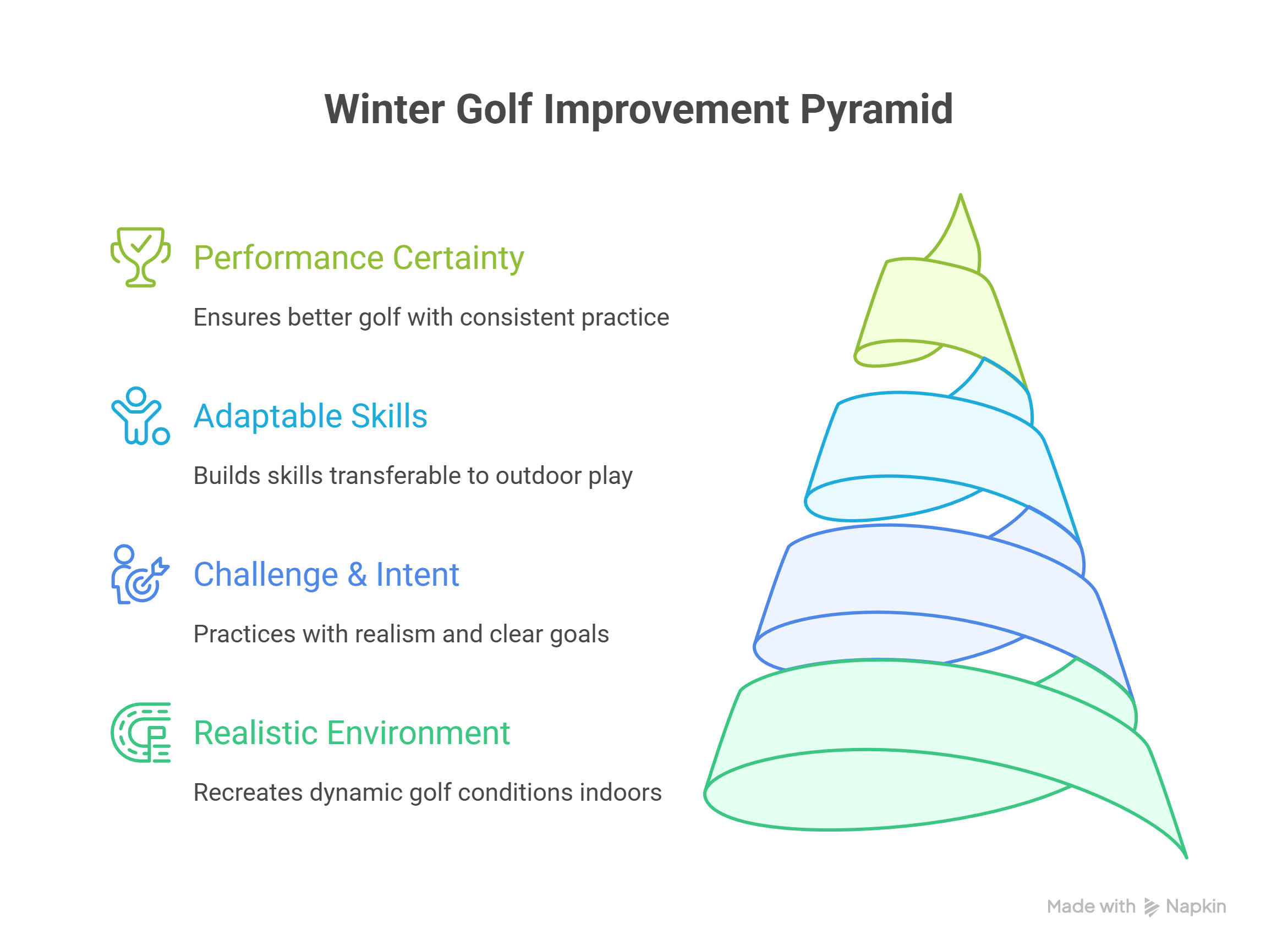
Zen Swing Stage enables coaches to connect practice environments with real on-course conditions. By introducing movement and variability into swing training, coaches can develop more adaptable, performance-ready players.
This page provides structured guidance on how to use Zen Swing Stage effectively within coaching sessions, academies, and indoor facilities.
Our blogs and video series found further down the page are continually updated, so keep coming back to keep up to date.
Written by: Will Stubbs, Head of Education, Zen Golf
Last Updated: 17/04/2026
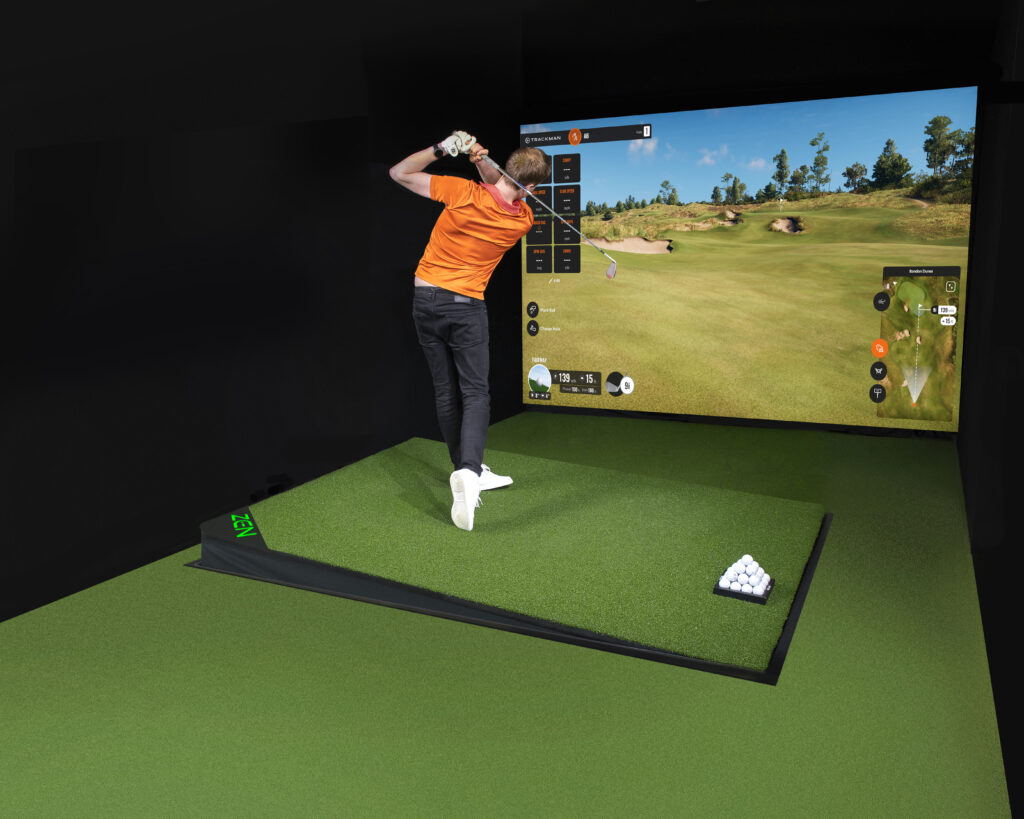
Why Use Zen Swing Stage in Coaching
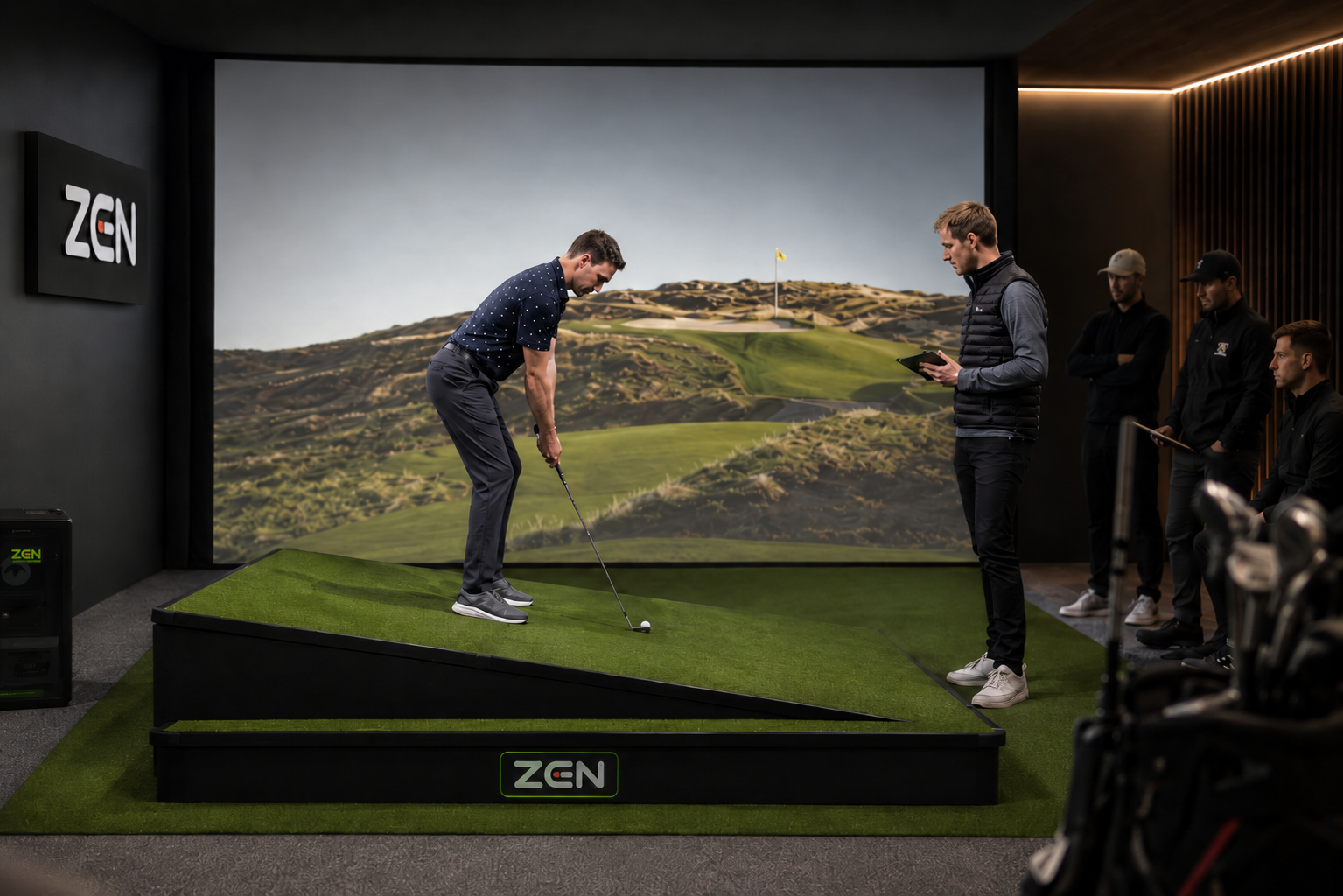
- Replicates real-course lies and stance variability
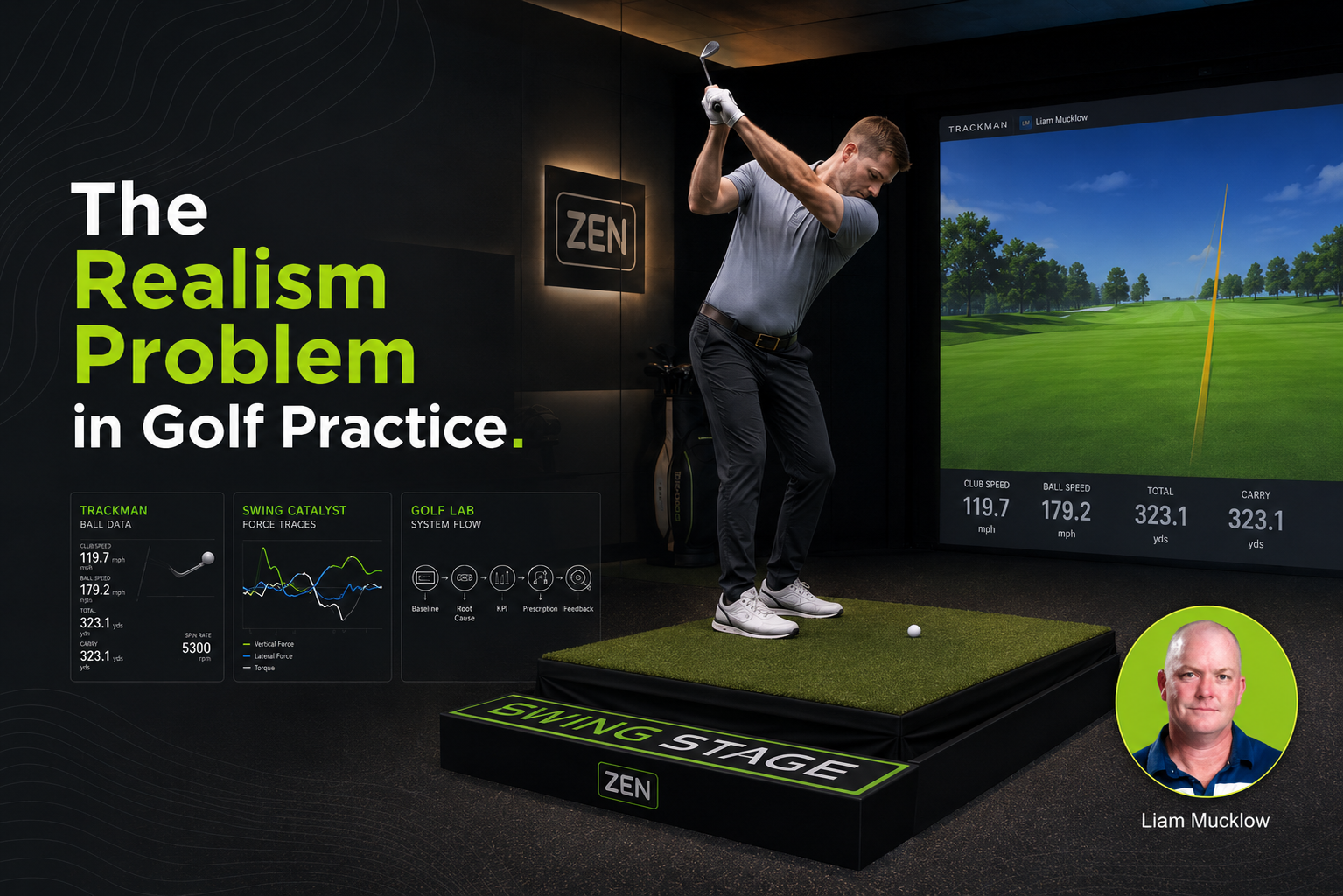
- Bridges the gap between range training and on-course performance
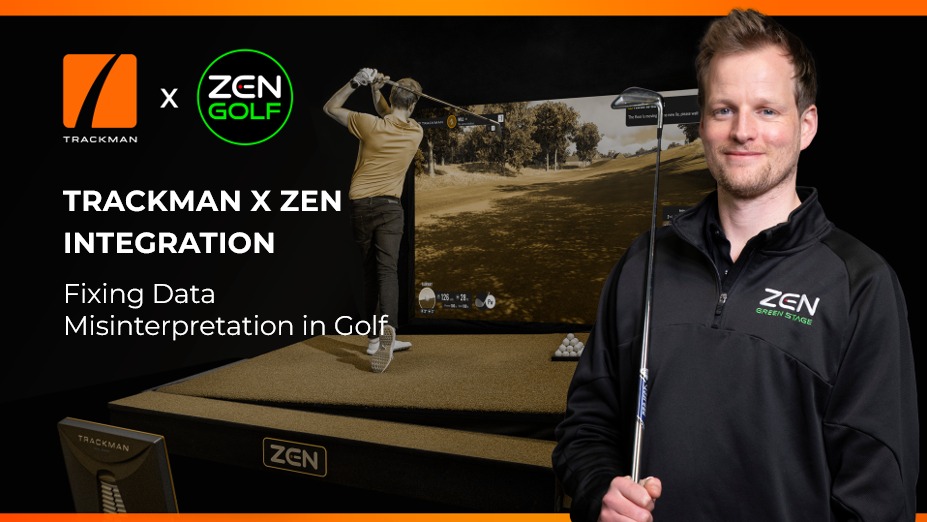
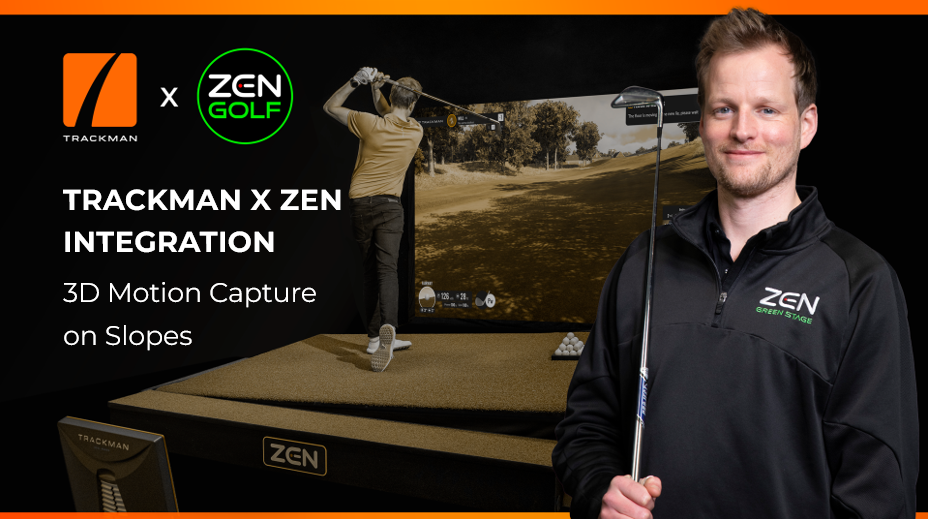
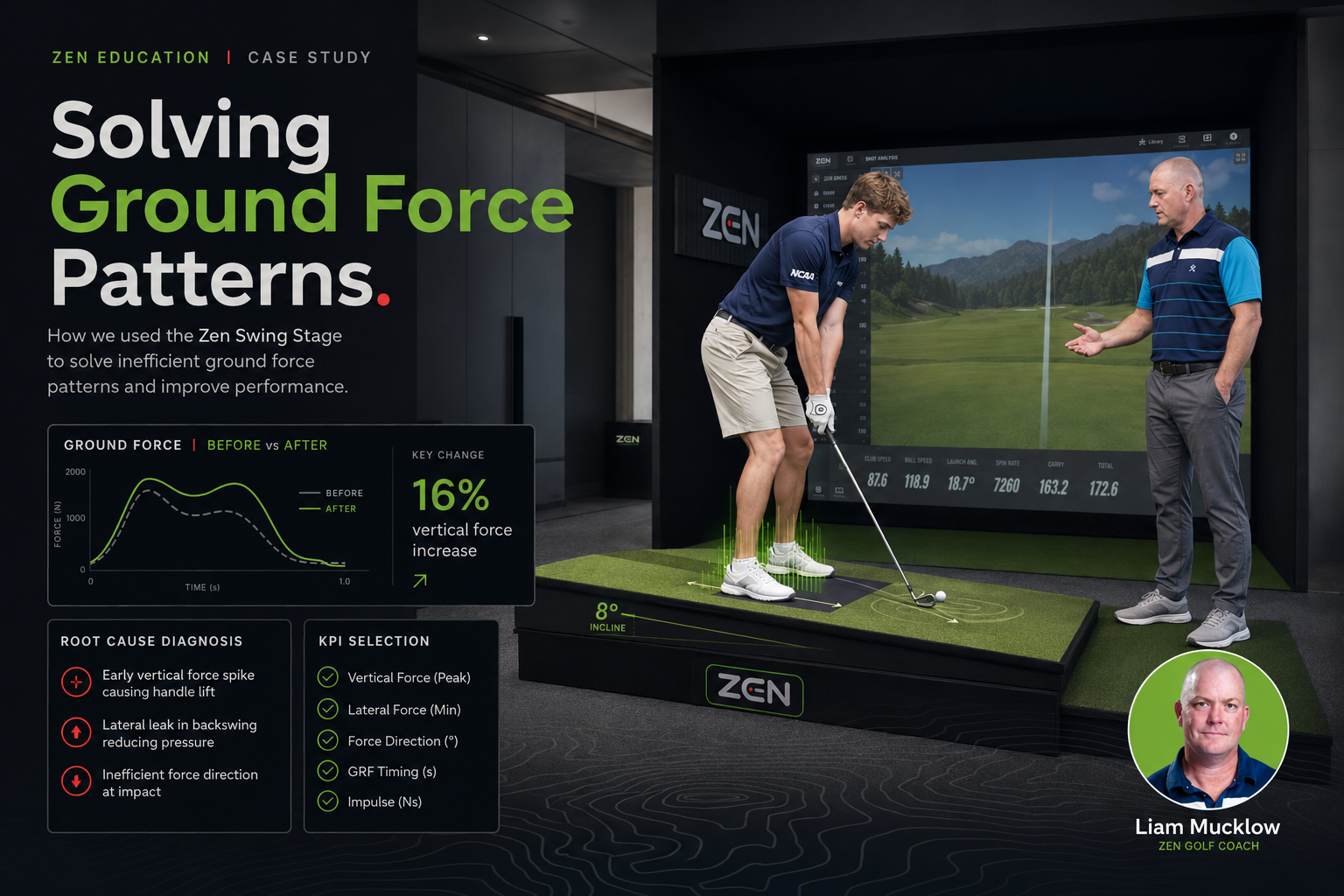
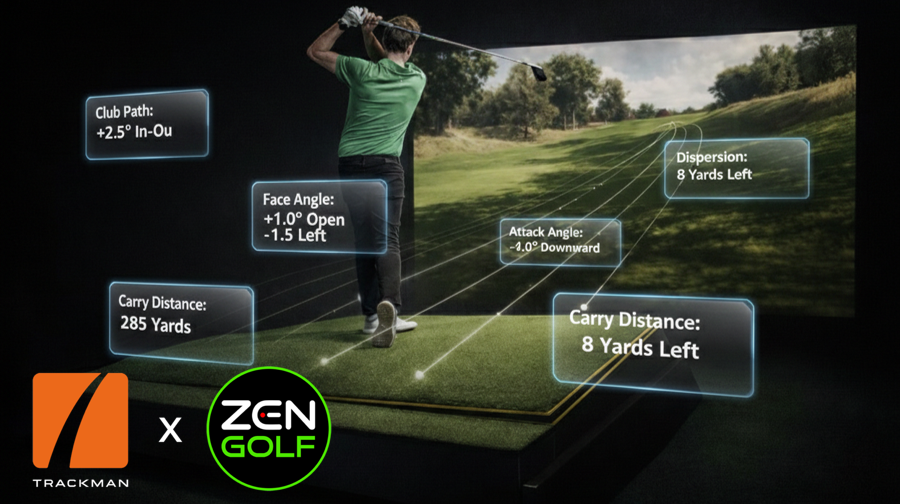
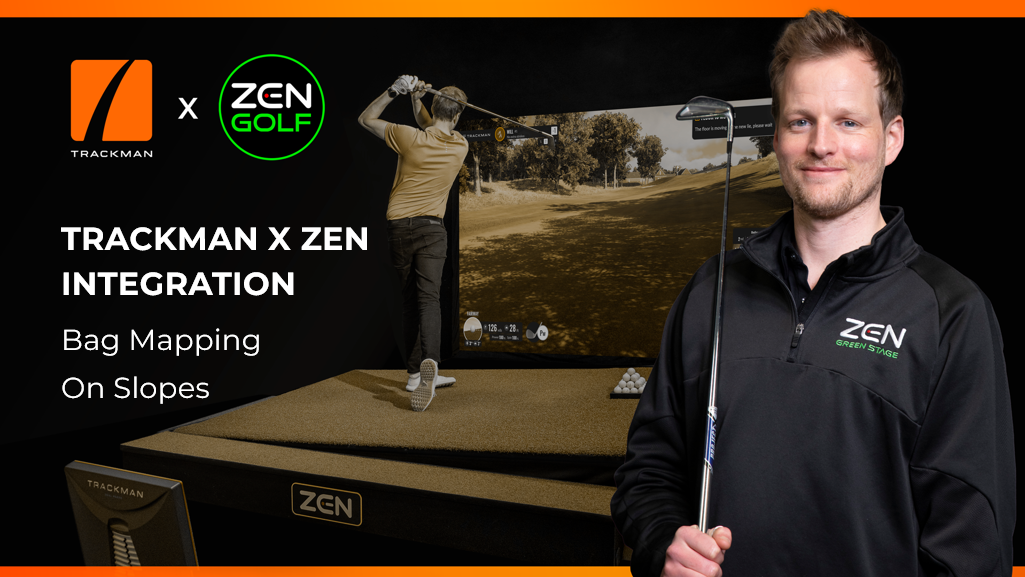
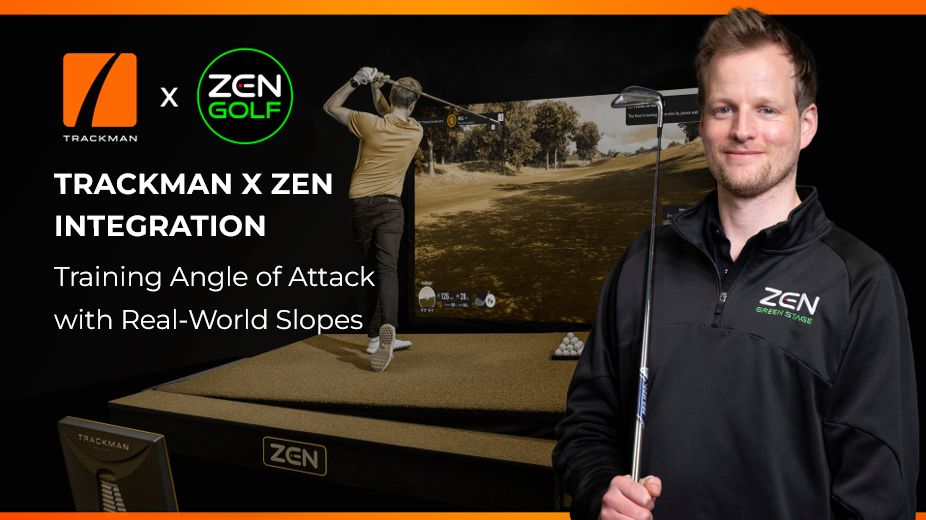
- Supports data-led coaching through integration with performance systems
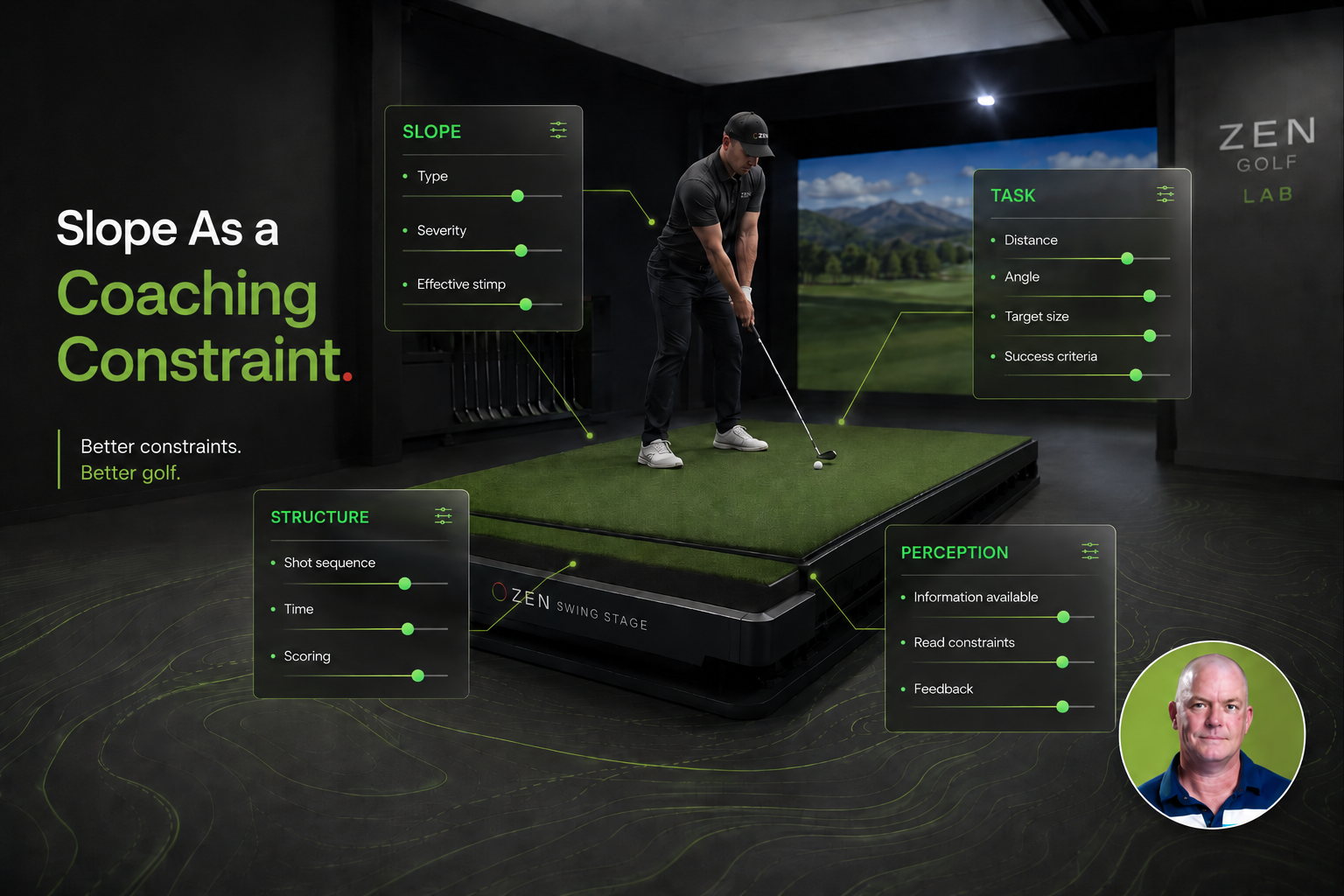
- Enables representative learning design within indoor environments
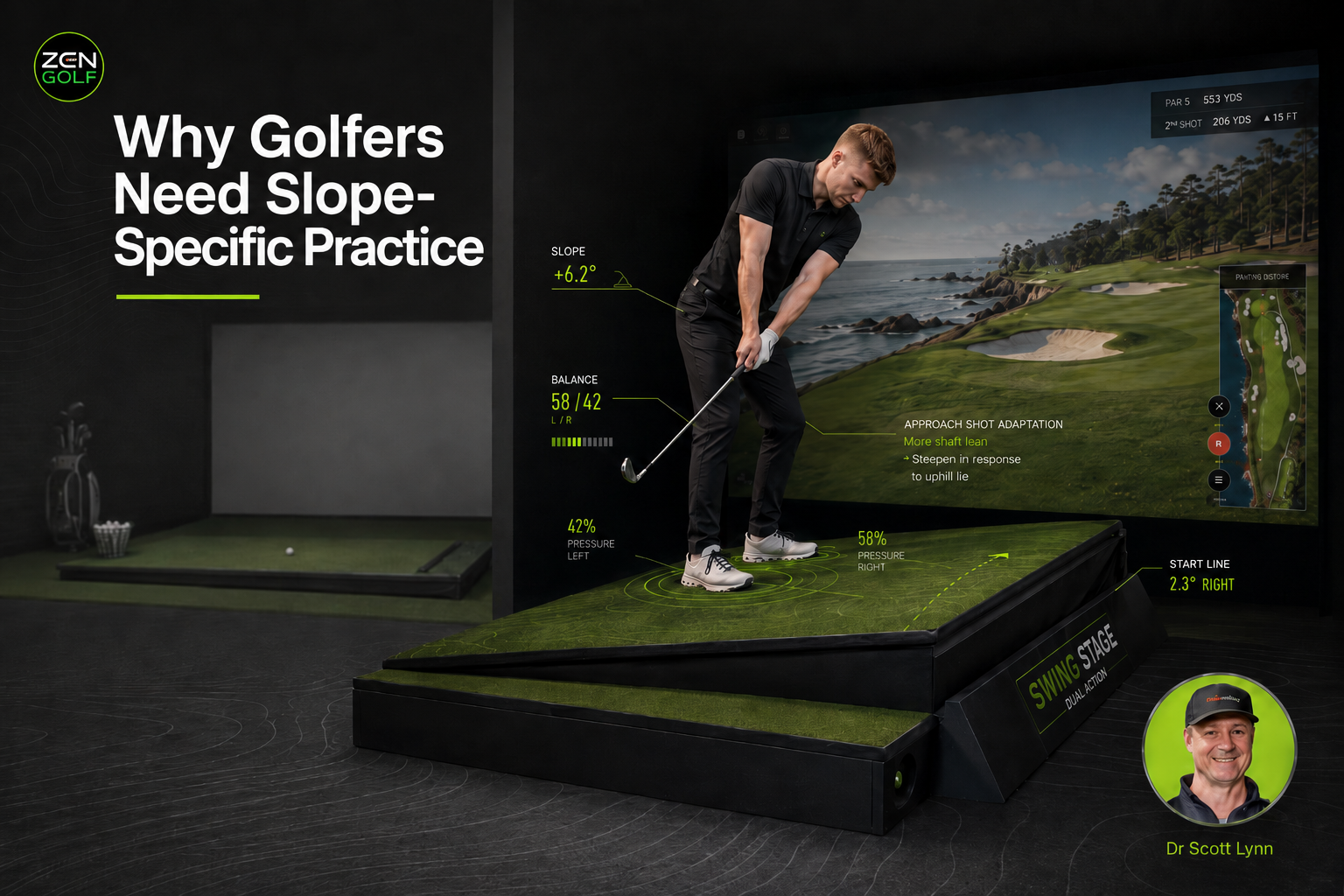
Compared with static hitting platforms, Zen Swing Stage captures how players interact with dynamic ground conditions, improving transfer to the course.
Core Coaching Applications
Variable Lie Training
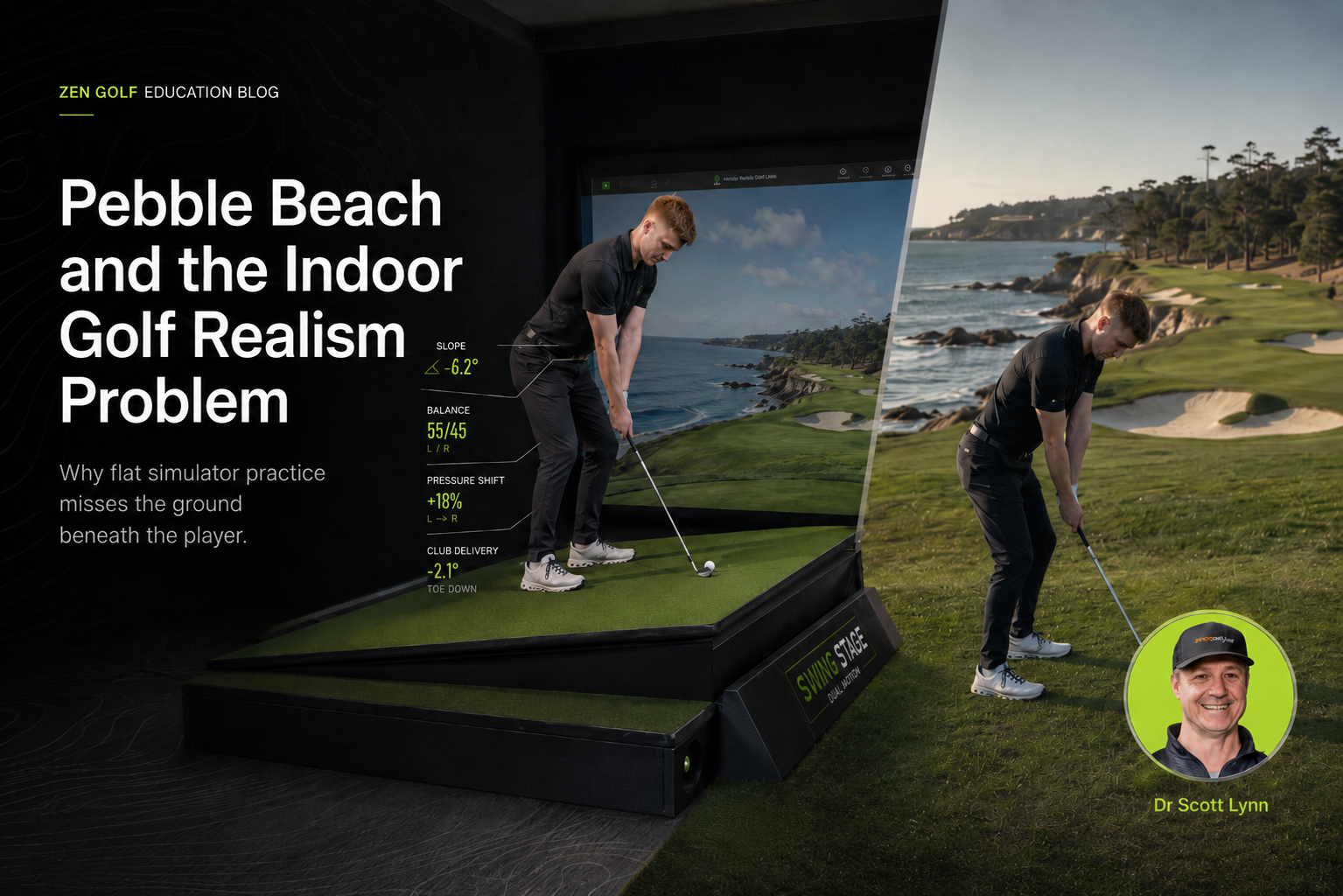
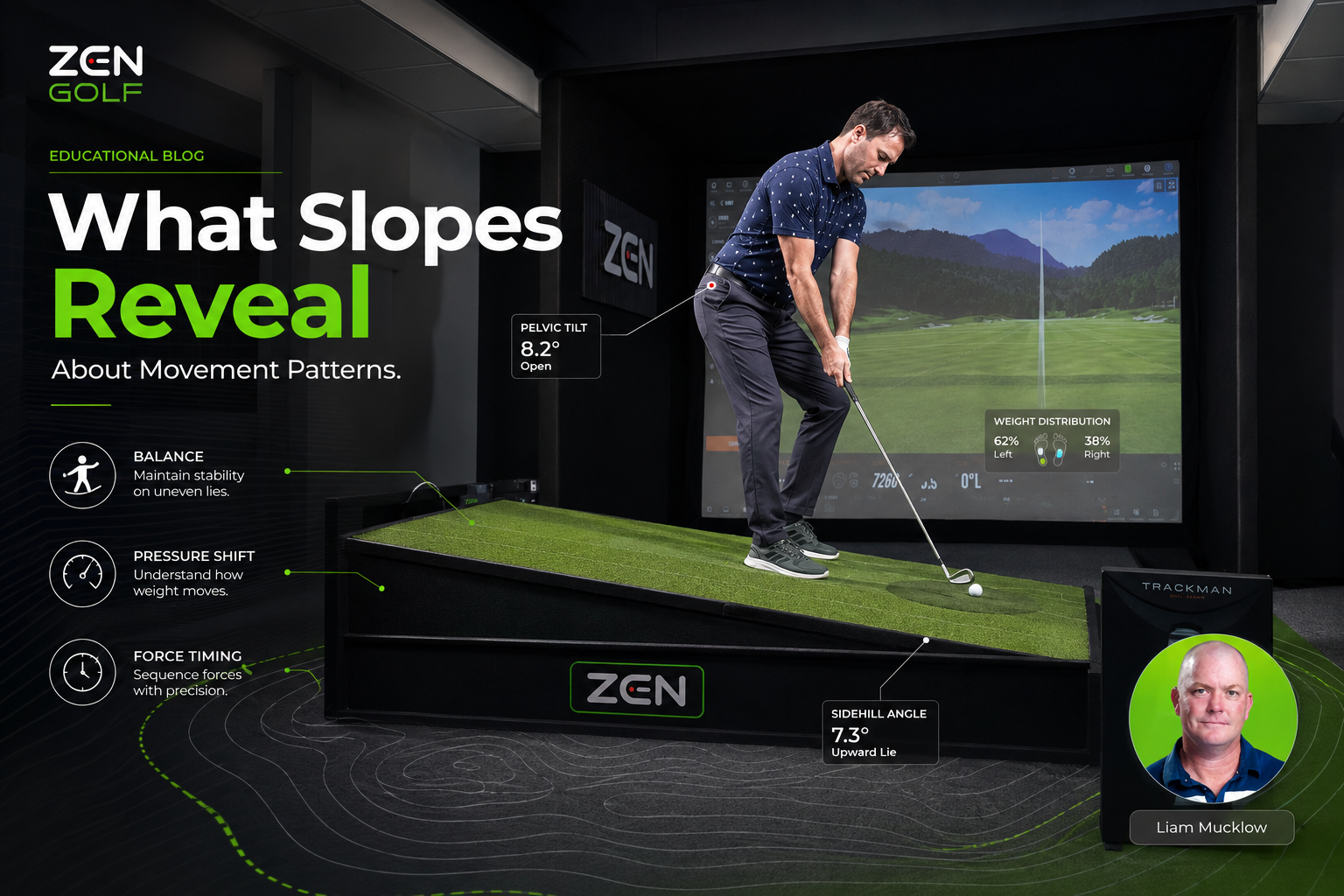
Introduce uphill, downhill, and sidehill lies to challenge balance, sequencing, and strike consistency.
Skill Adaptability
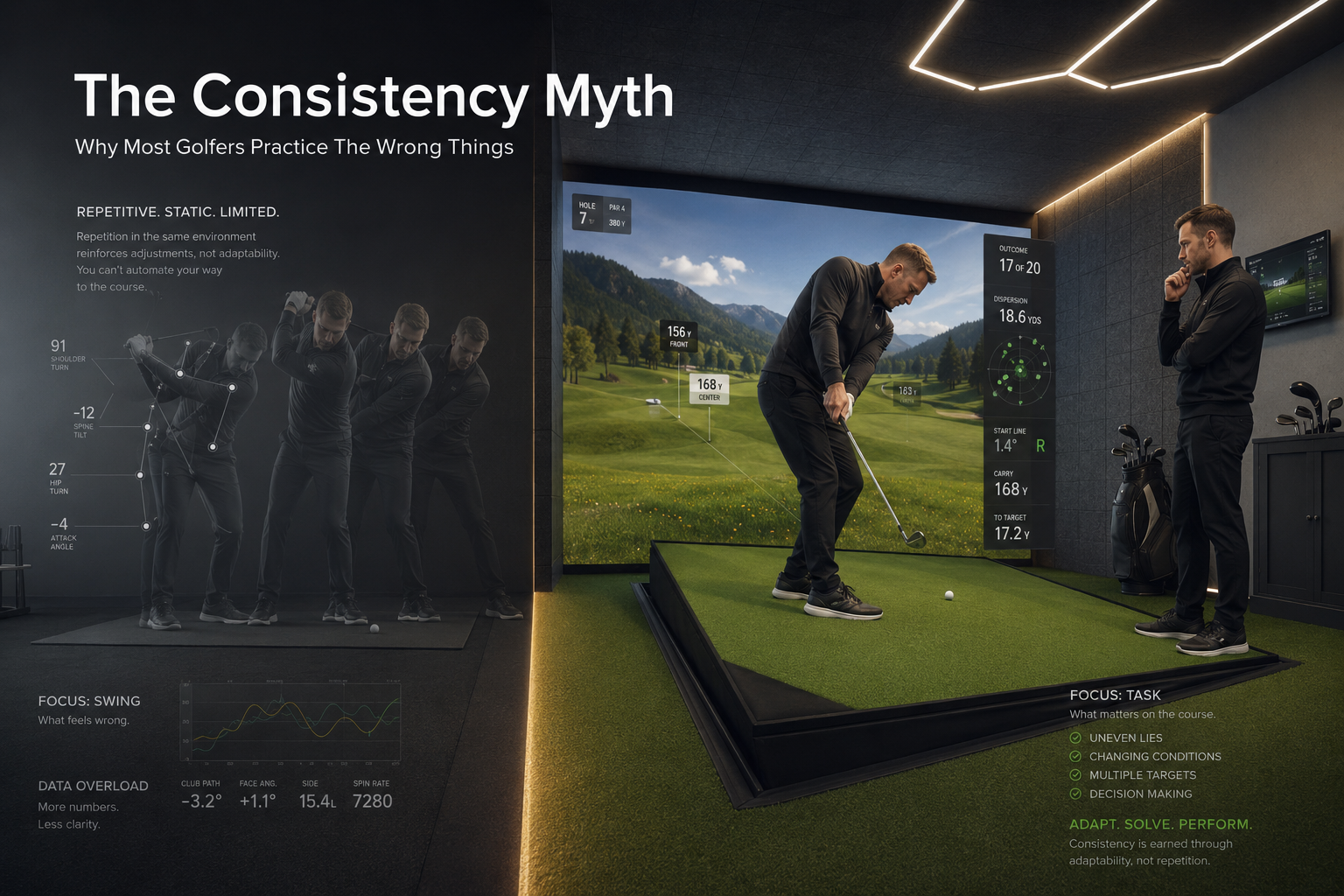
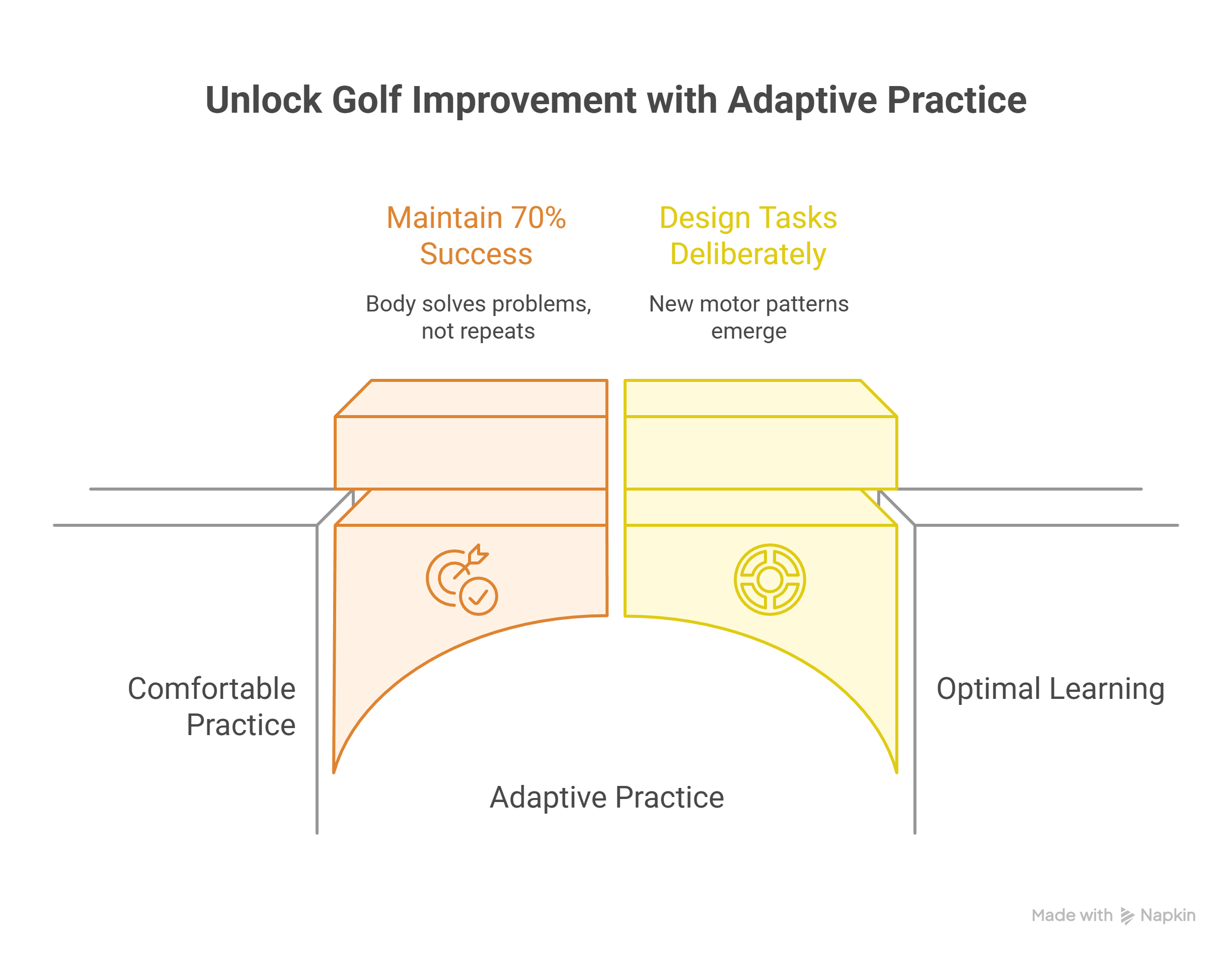
Encourage players to explore different movement solutions rather than repeating fixed patterns.
Pressure Simulation
Use changing slopes to simulate on-course decision-making and execution under variability.
Session Design Principles
- Start with neutral conditions before introducing slope variability
- Progress from simple to complex movement challenges
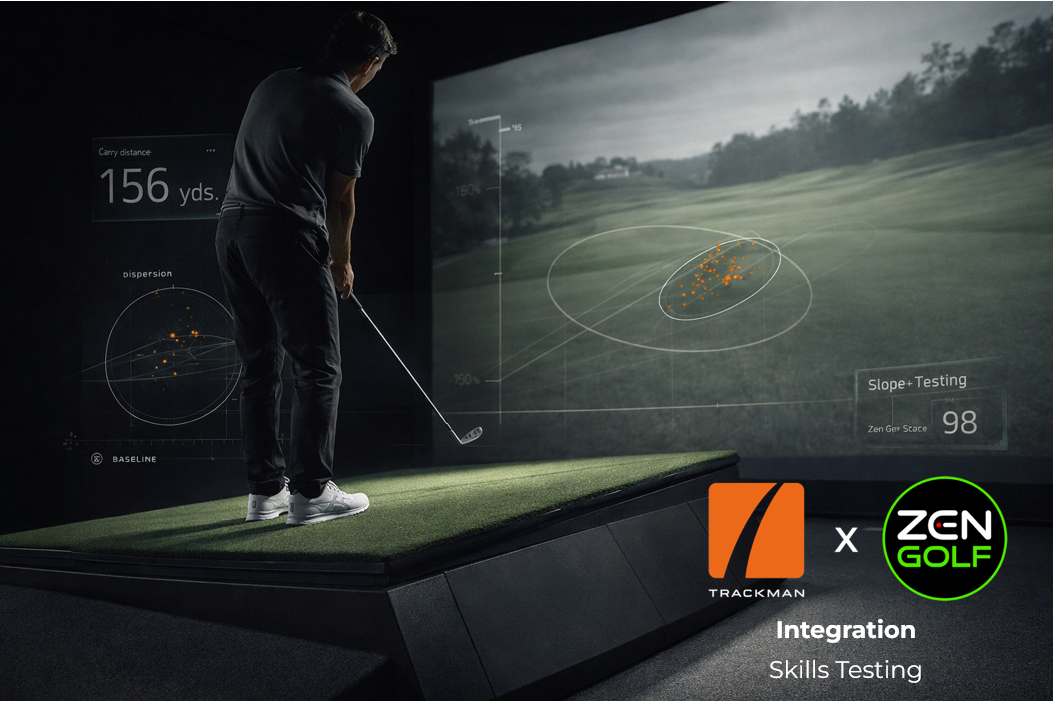
- Integrate feedback loops using ball flight and data systems
- Maintain clarity in coaching intent for each drill
If players struggle to transfer range performance to the course, variability is often the missing component. Zen Swing Stage introduces this in a controlled, repeatable way.
Integration Within Your Facility
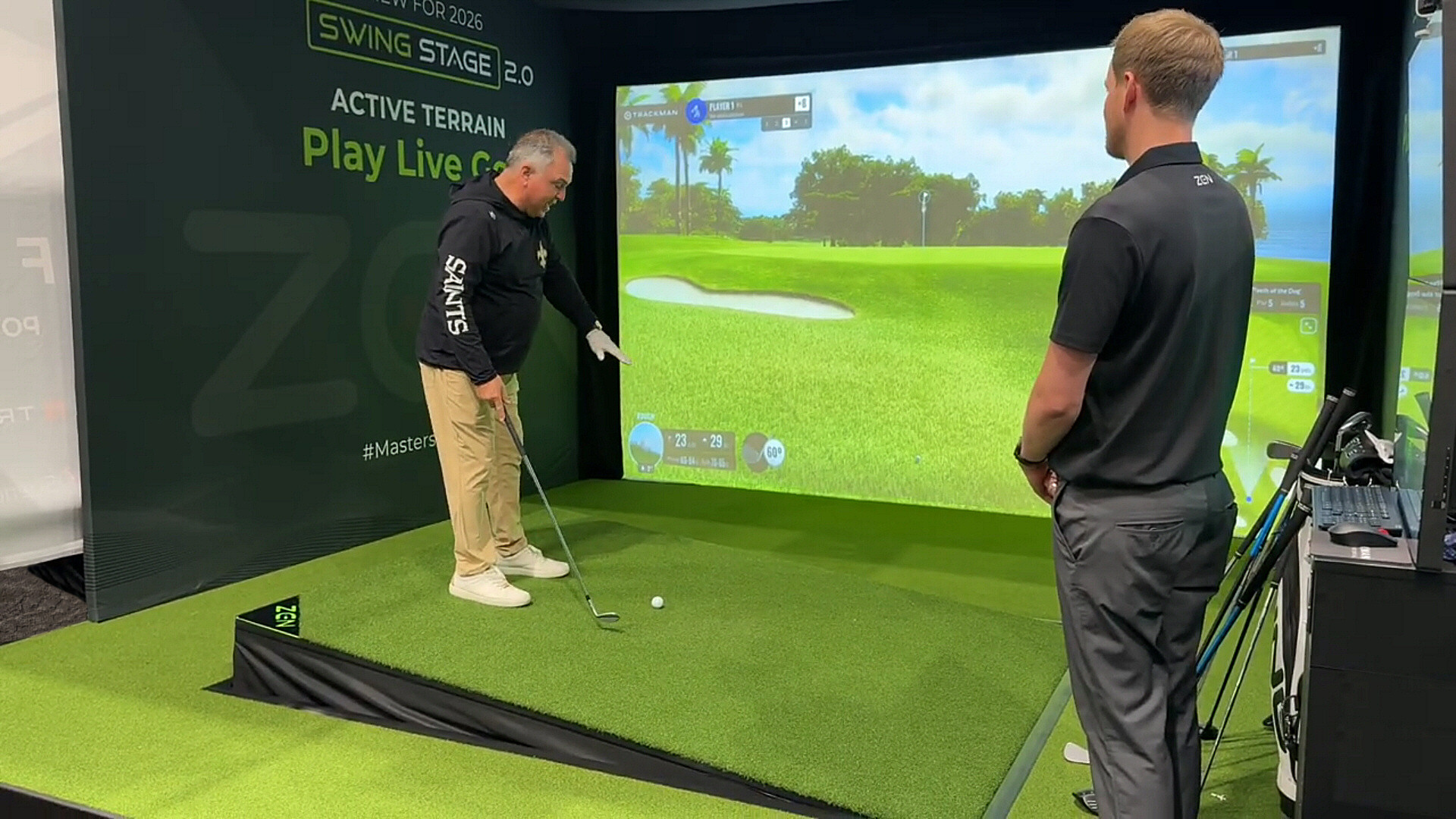
Zen Swing Stage fits within coaching bays, academies, and high-performance environments. It supports:
- Coaching that moves beyond technical models, enabling players to adapt delivery, strike, and trajectory to changing lies
- Academy development built on representative learning, preparing players for the variability and uncertainty of real golf
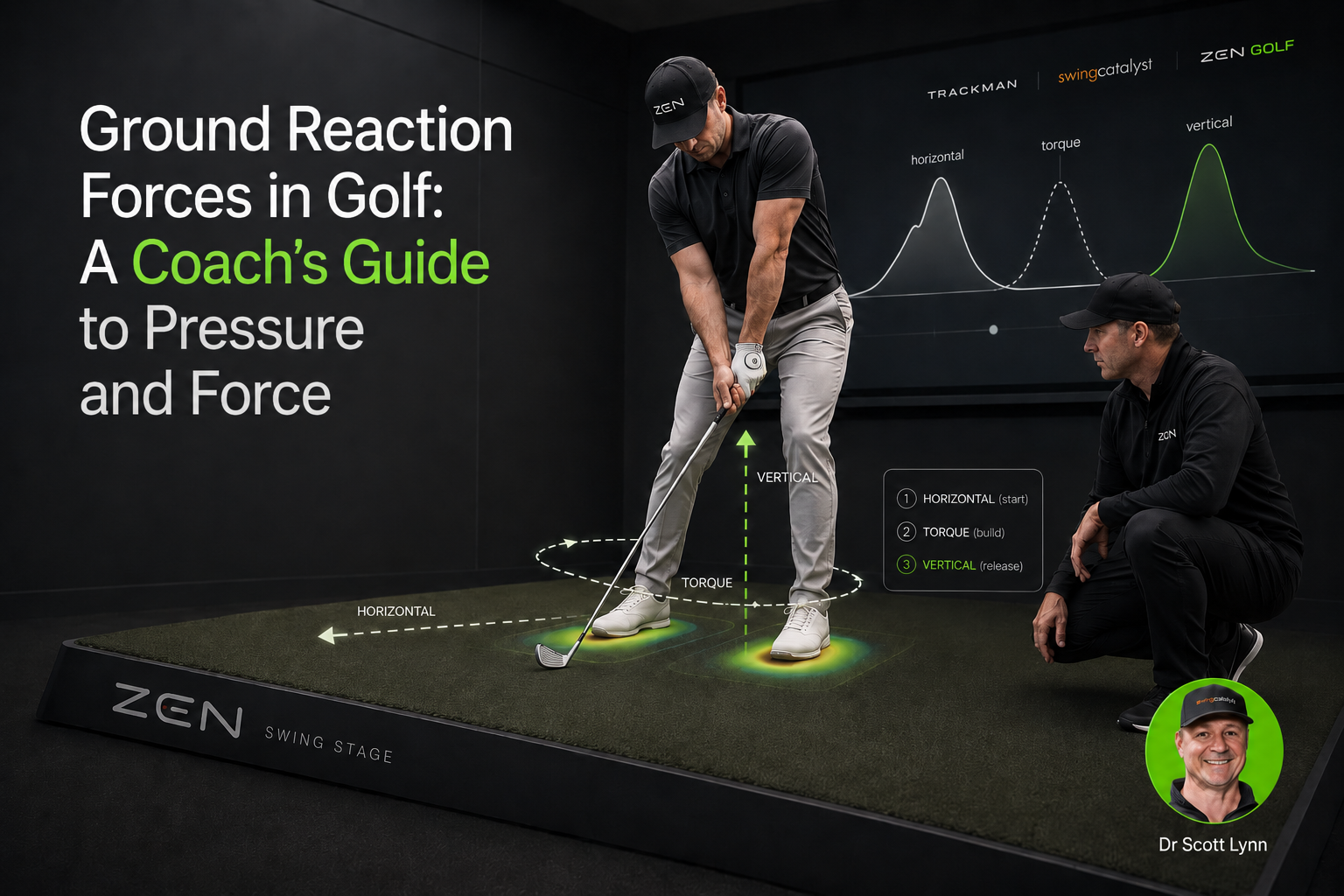
- Indoor environments that restore lie-based constraints, influencing club delivery, force production, and shot selection
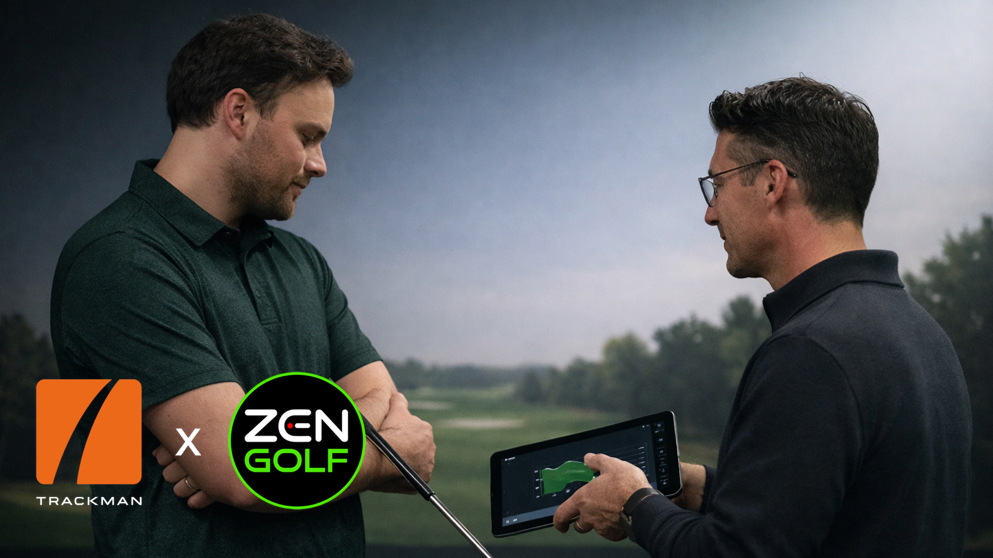
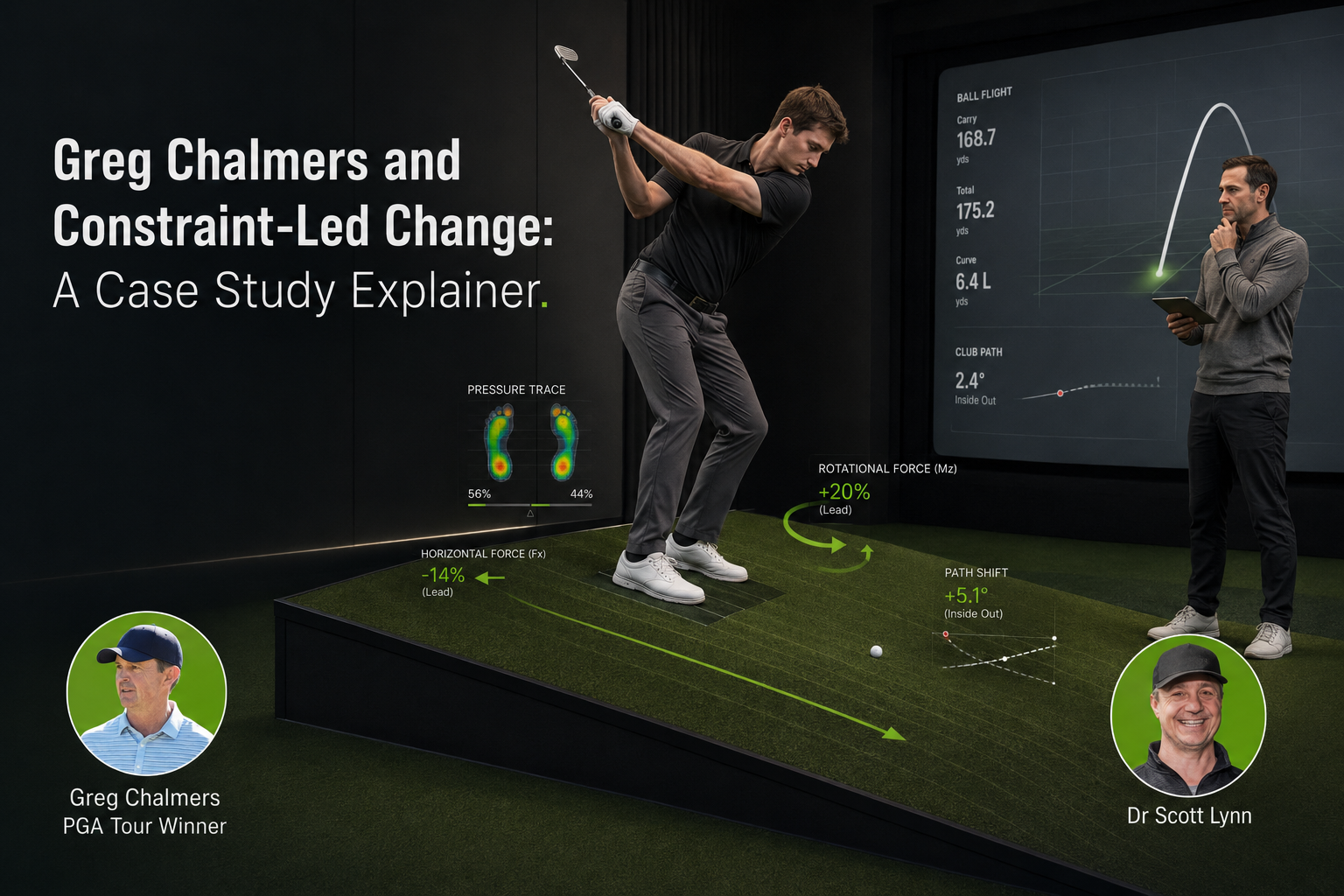
- Advanced performance analysis, integrating launch monitor data with environmental context to better understand cause and effect
Explore Further
Continue developing your coaching approach with structured drills, case studies, and integration guides across the Zen Education Hub.
- Understand how data integrates with movement platforms in Trackman & Zen Integration Explained — explore how performance systems connect practice to measurable outcomes.
- Build deeper insight into learning and adaptation in Zen Performance Science — explore the principles behind effective golf development.
- Structure seasonal programmes with Winter Indoor Golf Practice Series — explore how to maximise indoor training environments.
- Evaluate your facility setup with Golf Simulator Training Technology Buyer Guides — explore how to choose the right technology for your coaching environment.